Heritage
05 / History
Goju Ryu History
From the dojos of Okinawa to 309 Regent Street - the Goju Ryu tradition lives on.
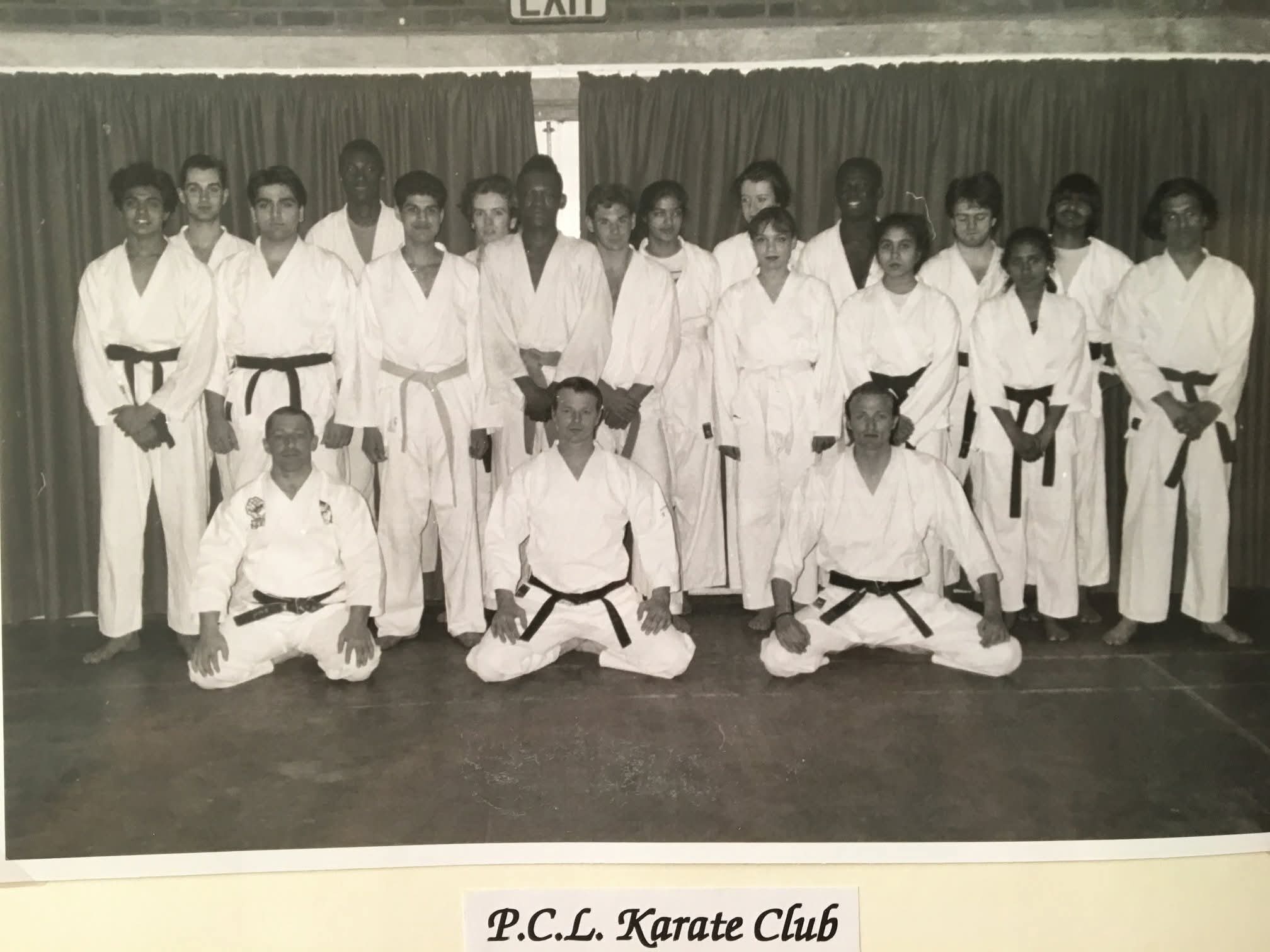
Archive photograph · P.C.L. Karate Club
A Living Tradition
Hard and soft. Forged in Okinawa.
The style we practise was created by Chojun Miyagi on Okinawa in the early 20th century - a fusion of Chinese systems and the island's own fighting arts. Today the same Goju Ryu lives on at 309 Regent Street, every Monday and Wednesday.
Okinawa
Birthplace
Miyagi
Founder
London
DKK Today
The Origins
History of Goju Ryu
While the art of Karate originated on the island of Okinawa off the southern coast of mainland Japan, a great many fighting systems had existed in Asia for thousands of years. The various Chinese-based martial arts that were practised on Okinawa were collectively known as ‘Tode’, or ‘Chinese Hand’. However, Okinawa already had its own native combat systems, known simply as ‘Te’.
The name ‘Karate’ only came into being in 1936 when the masters of the various systems of Te (Naha-te, Shuri-te and Tomari-te) met to discuss how the Okinawan martial arts might best be moved forward into a new era. At that meeting it was agreed that the combat systems they were currently practising should come together under the umbrella name of ‘Kara-Te’ - empty hand.
Karate was therefore never meant to be a ‘style’ in its own right; rather a global term to represent all unarmed fighting arts. Therefore, although the name ‘Karate’ is relatively new, the fighting art that we practise has a heritage of several thousand years.
Oral tradition has it that late in the 19th Century an Okinawan Naha-te exponent called Kanryo Higaonna travelled to Southern China where he trained under a White Crane master named Ryu Ryu Ko. On Higaonna's return to Okinawa he continued to teach where one of his students began to emerge as exceptional. This student's name was Chojun Miyagi.
After Higaonna Sensei's death in 1915, Chojun Miyagi combined his knowledge of the Chinese systems with that of his own native Te. Miyagi Sensei went on to transform Naha-te into a system of Karate instruction, which he later named Goju Ryu - the system of martial combat which we still practise today.
When Miyagi Sensei passed away in 1953, Ei'ichi Miyazato took over as head of the Okinawan Goju Ryu system, setting up the Jundokan in Naha City on Okinawa, to continue, and further, the teachings of his teacher, Miyagi Chojun Sensei.
Goju Ryu is a civilian close-quarters fighting system and differs from most other Karate in its proximity of fighting, where great emphasis is placed on the ability to fight and grapple at close-quarters, both standing and on the ground.
The Journey
From Okinawa to London
Goju Ryu is Born
The Style Takes Form
Hard and soft. Chojun Miyagi forges the system on Okinawa, and the world learns the name 'Karate'.
Early 20th Century
Chojun Miyagi Creates Goju Ryu
Miyagi named the system after a line in the Bubishi: 'The way of inhaling and exhaling is hardness and softness.' Go - hard. Ju - soft.
1936
The Name 'Karate' Agreed
The masters of Naha-te, Shuri-te and Tomari-te agreed a single umbrella name for the Okinawan arts: 'Kara-Te' - empty hand.
1953
Miyagi's Death & the Jundokan
Ei'ichi Miyazato took over as head of the Okinawan Goju Ryu system and set up the Jundokan in Naha City.
The DKK Era
The Tradition Reaches London
Shihan Mulholland and Shihan Lewis carry the Okinawan tradition into a new generation, building DKK into one of the UK's strongest karate clubs.
1990
DKK Founded
After meeting as Black Belts under Kyoshi Kim Roberts, Gavin Mulholland and Dan Lewis set up Daigaku Karate Kai in 1990. The name - 'university' or 'place of learning' - was chosen because both clubs were initially established inside universities. DKK remains true to the combat-orientated nature of Goju Ryu, drawing additionally on Kyoshi Kim Roberts, Shihan Dave Arnold, Master Steve Morris, and Sensei Nick Hughes.
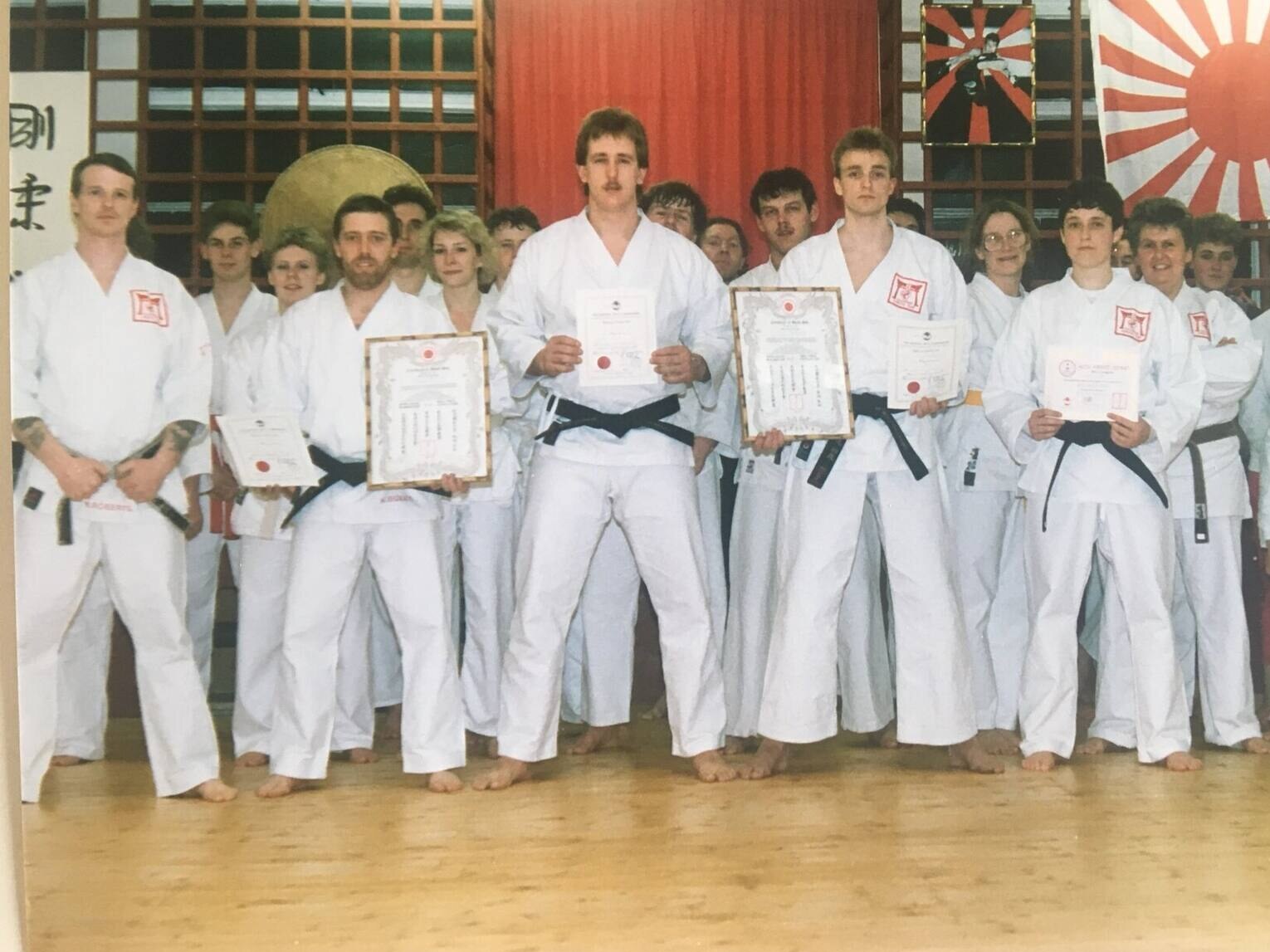
Shinto Karate School · Early 1980s
Today
DKK London - The Tradition Continues
Under Shihan Mulholland's continued leadership, DKK London trains adults of all backgrounds in Okinawan Goju Ryu, keeping the authentic tradition alive at 309 Regent Street, London, every Monday and Wednesday.
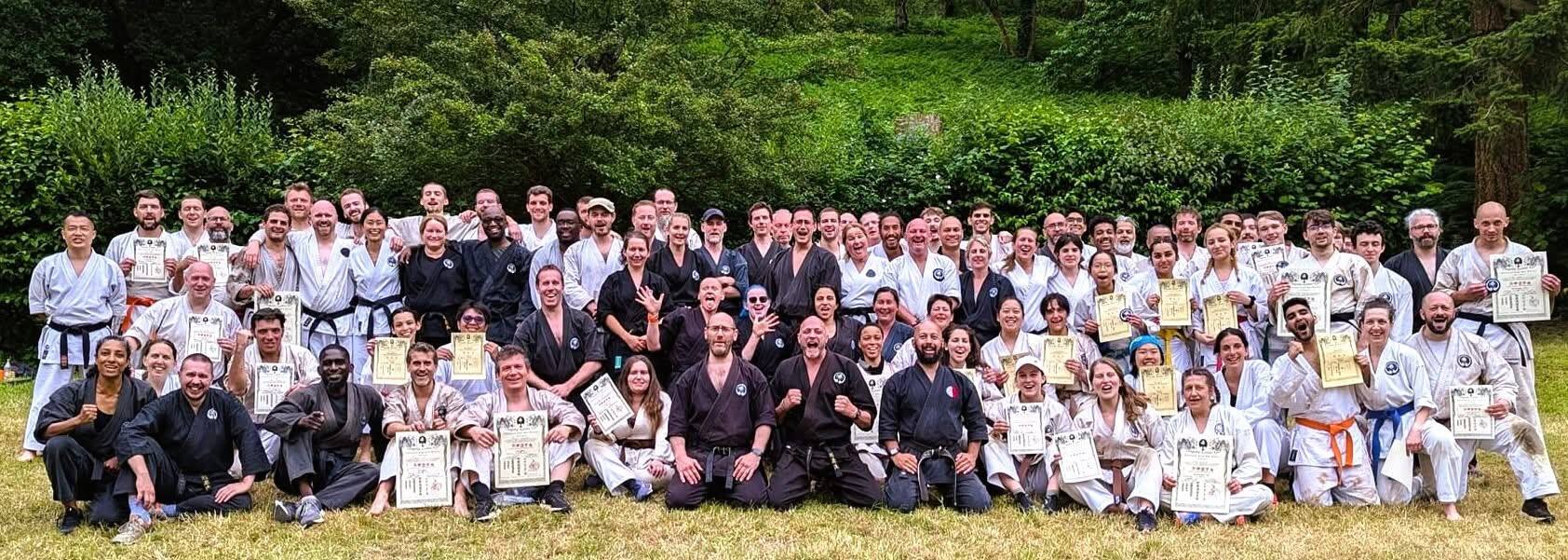
DKK Summer Camp · The Full DKK Family
From the Archive
Four Decades of DKK
Photographs from the club's earliest days - training halls, grading lines, and a young Shihan making his name on the mats.
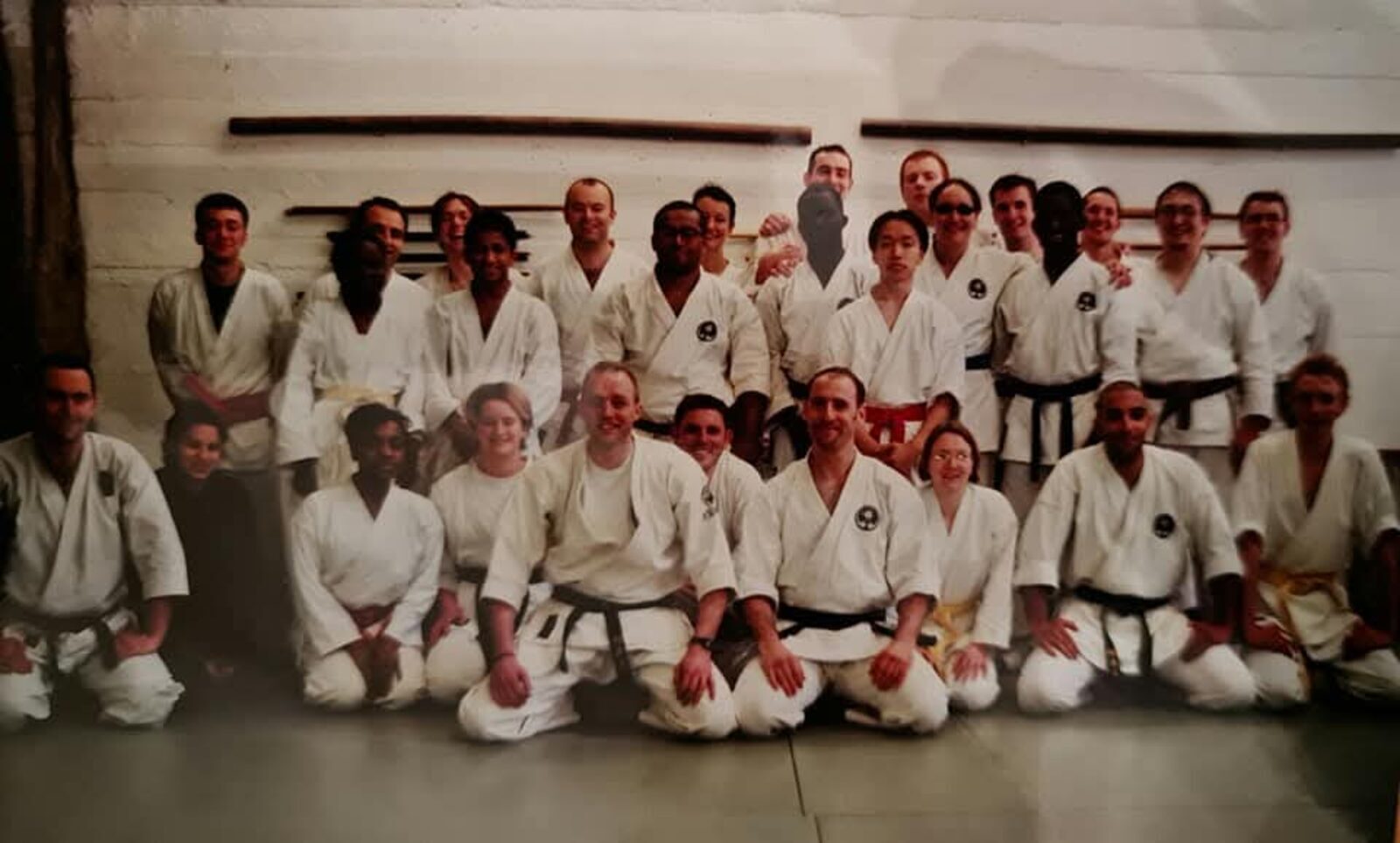
From the Archive
The Full Class
A full class in the dojo, bo staffs racked behind
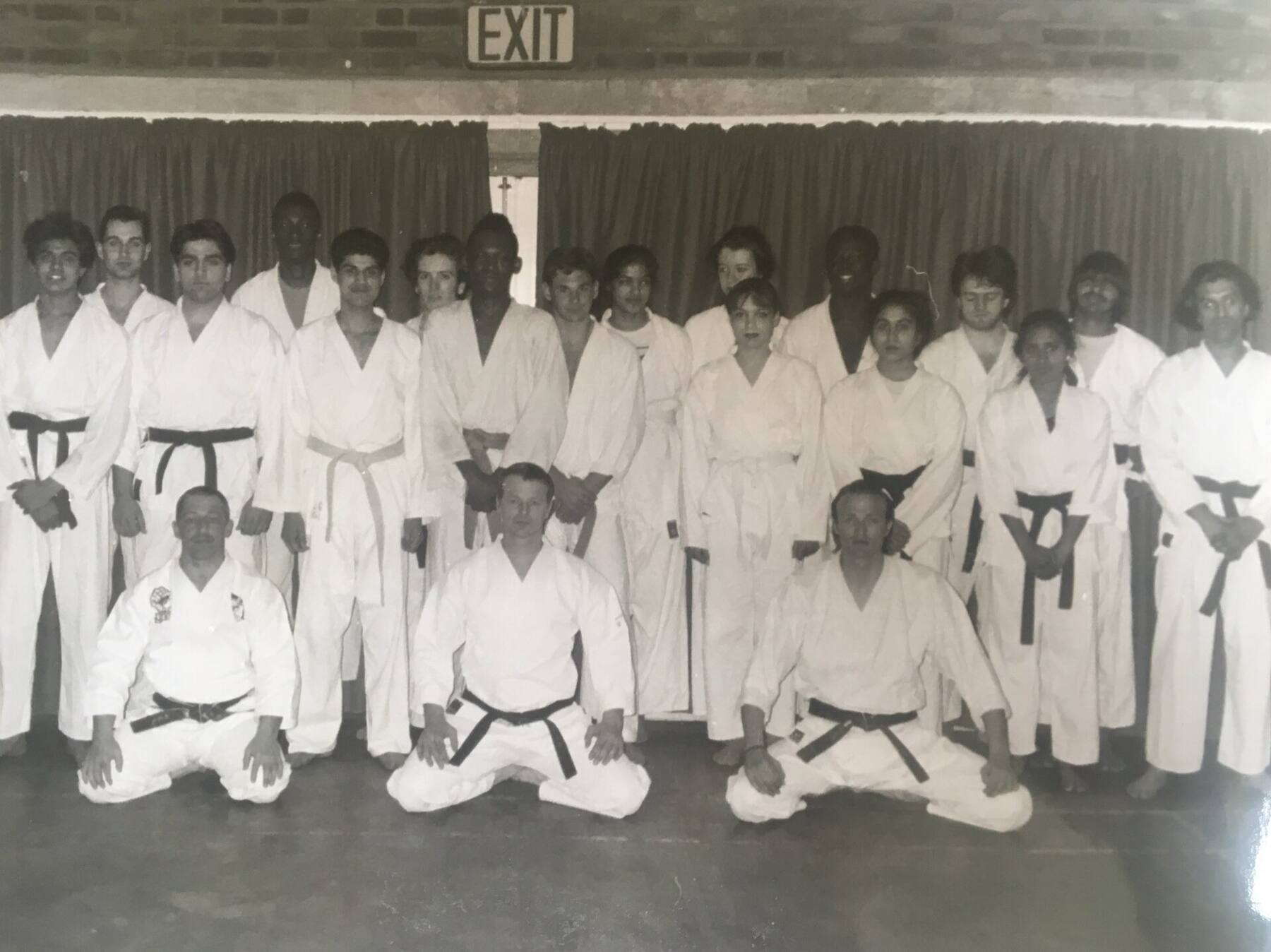
Old Hall
Training days past
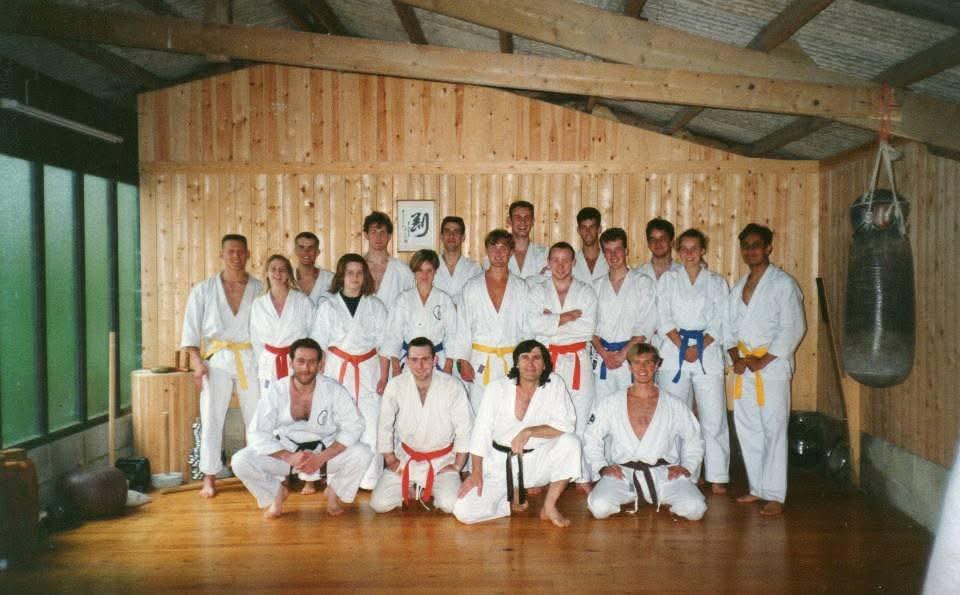
Club Photo
The early members
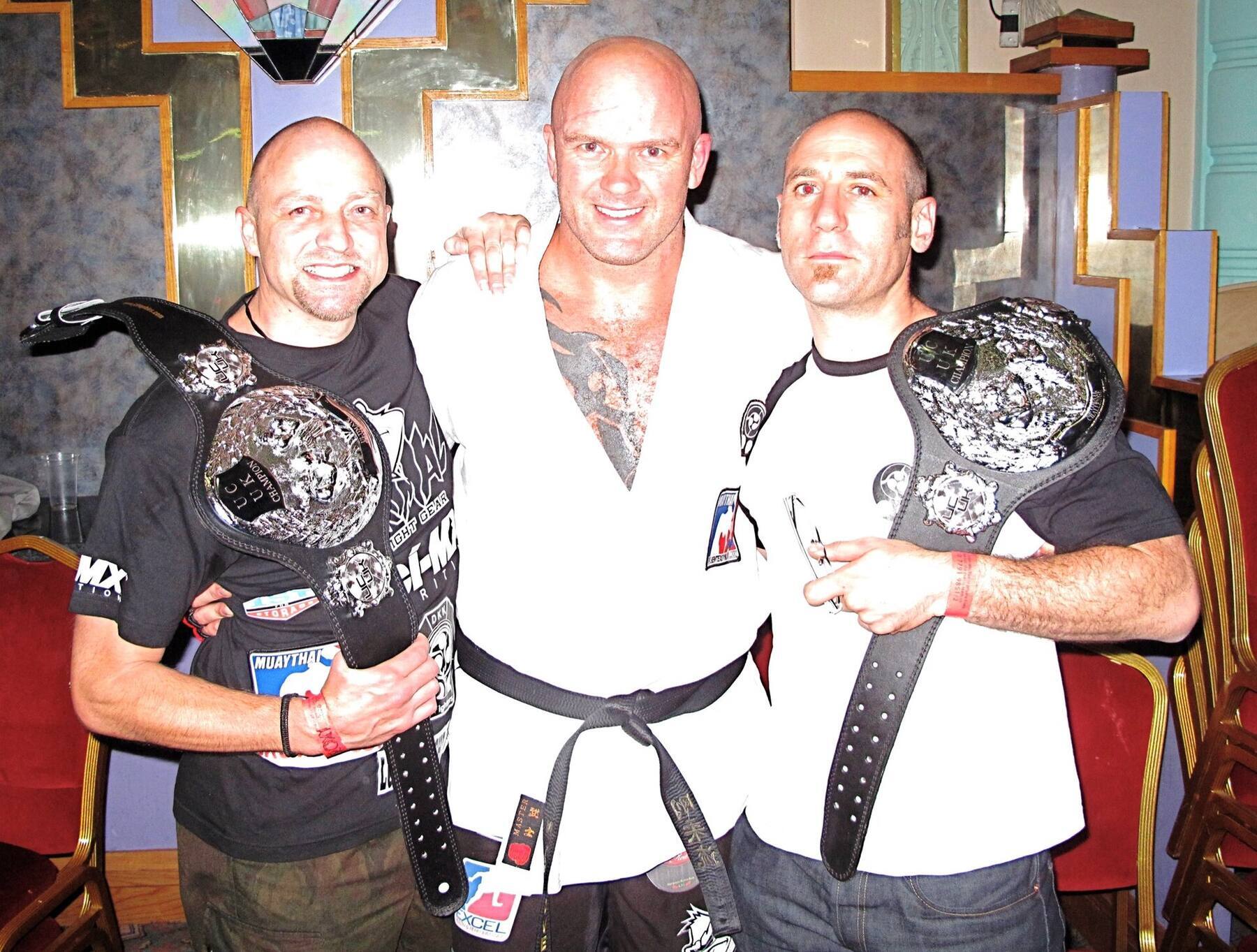
Title Belts
Neil Grove with Shihan & Dan Lewis
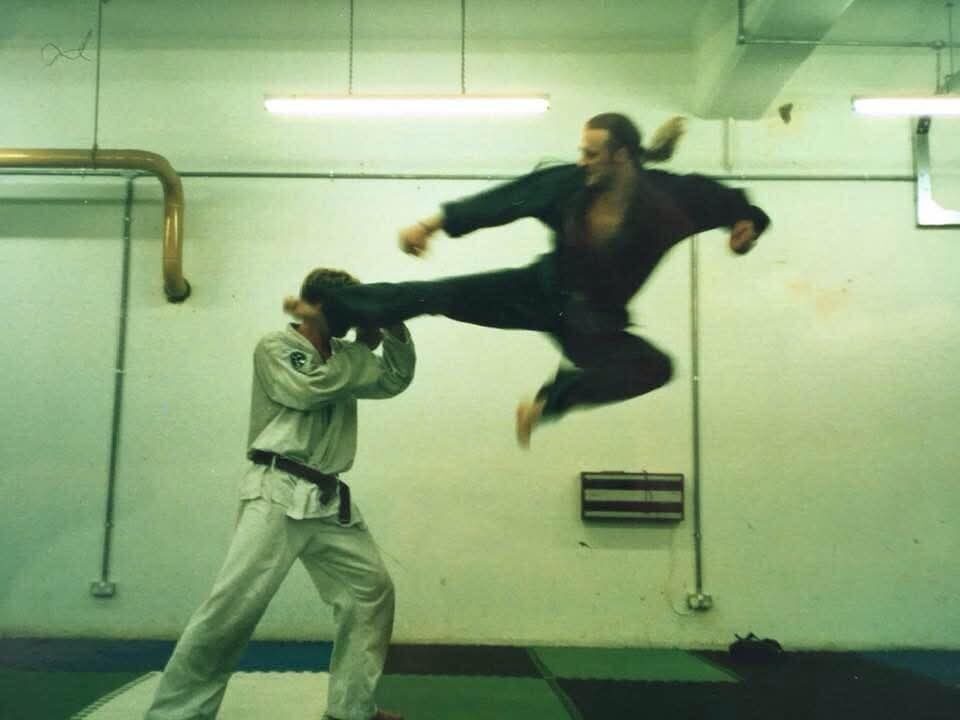
Flying Kick
A young Shihan
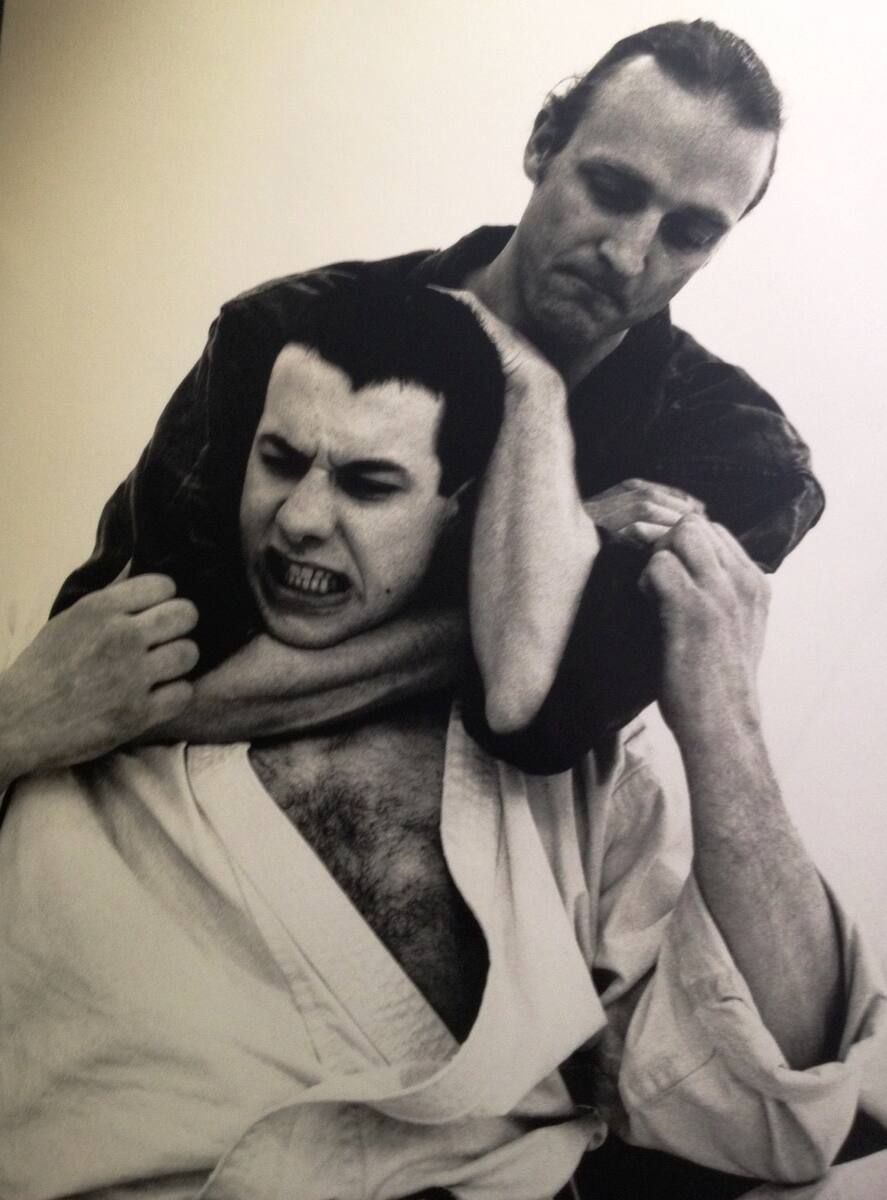
Control
From the early archive
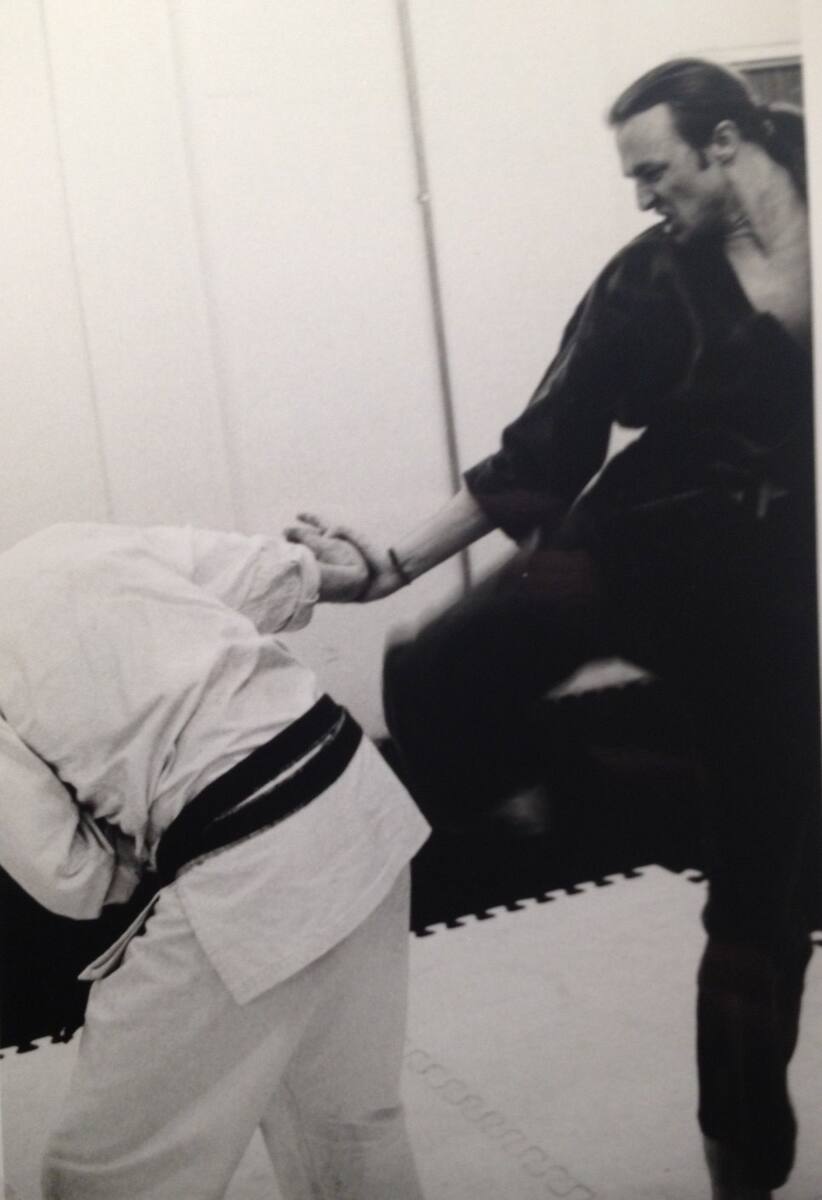
Technique
Early DKK
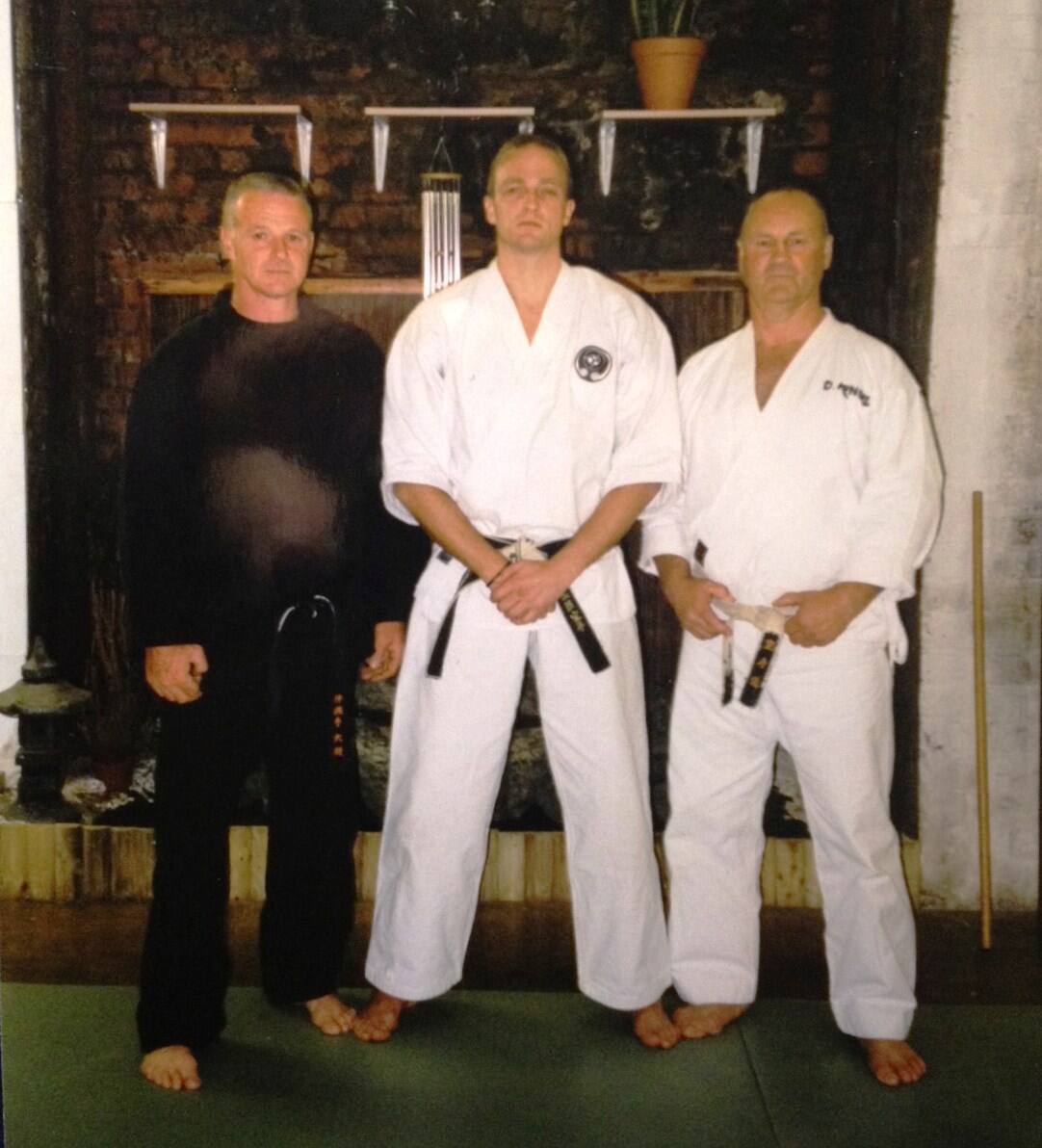
Black Belts
From the early archive
Explore further
Learn about the style, or come and train it.